India has long been celebrated as the “Land of Spices,” and among its many aromatic treasures, Ginger holds a place of pride. Not only is it a staple in every Indian kitchen, but it is also a cornerstone of traditional Ayurvedic medicine. But have you ever wondered where most of this pungent, golden rhizome comes from?

According to recent agricultural data, the crown for the largest producer of ginger in India goes to Meghalaya.
Why Meghalaya Leads the Way
Nestled in the Northeast, Meghalaya—aptly named the “Abode of Clouds”—provides the perfect recipe for high-quality ginger cultivation. Here’s why this state dominates the industry:
- Ideal Climate: Ginger thrives in warm, humid conditions. Meghalaya’s subtropical climate, characterized by heavy rainfall and consistent moisture, ensures that the rhizomes develop fully and retain their potent flavor.
- Hilly Terrain: The state’s natural drainage is a hidden advantage. Ginger requires well-drained soil to prevent root rot, and the hilly landscape of Meghalaya provides this naturally.
- Traditional Wisdom: Farmers in Meghalaya often employ indigenous and organic farming practices. These traditional methods help maintain soil fertility and produce ginger that is highly sought after for its organic quality.
- Economic Backbone: For the rural communities of Meghalaya, ginger is more than just a spice; it is a vital cash crop. It supports regional trade networks and provides a steady income for thousands of farming families.
The Global and National Impact
India is a global heavyweight in the spice market, and ginger is one of its most important commercial crops. While Meghalaya leads the pack, other states like Karnataka, Kerala, and Sikkim also contribute significantly to the national output.
Whether it’s for a refreshing cup of Adrak Wali Chai or as an ingredient in herbal cough syrups, the ginger coming from the hills of Meghalaya plays a crucial role in our daily lives and the national economy.
Frequently Asked Questions (FAQ)
Meghalaya is currently the leading producer of ginger in India, thanks to its favorable agro-climatic conditions.
The state offers a warm and humid climate, high rainfall, and well-drained hilly terrain, all of which are essential for high-quality ginger growth.
Ginger grows best in well-drained, fertile soil rich in organic matter. Hilly terrains are often preferred to prevent waterlogging.
Yes, ginger is a significant commercial crop that contributes substantially to the income of rural farmers and the country’s spice exports.
Ginger is widely used in culinary preparations (as a spice), the food processing industry, and traditional herbal medicines like Ayurveda.
Overview of 2nd India AI Impact Summit Held in New Delhi, 2026

If you are dreaming of joining the Indian Civil Services or the Indian Forest Service, the clock is ticking. The Union Public Service Commission (UPSC) is set to close the application window for the Civil Services Examination (CSE) 2026 and the Indian Forest Service (IFS) 2026 today, February 24, 2026, at 6:00 PM. With high…
Continue Reading Last Call for UPSC Aspirants: 2026 Prelims Registration Closes Today!

What fundamental shift in India’s national AI strategy was emphasized at the 2nd India AI Impact Summit, moving beyond mere adoption to a more proactive global leadership role? The summit underscored a strategic pivot towards India becoming a global hub for AI innovation and ethical AI development, actively contributing to international AI governance frameworks rather…
Continue Reading Overview of 2nd India AI Impact Summit Held in New Delhi, 2026
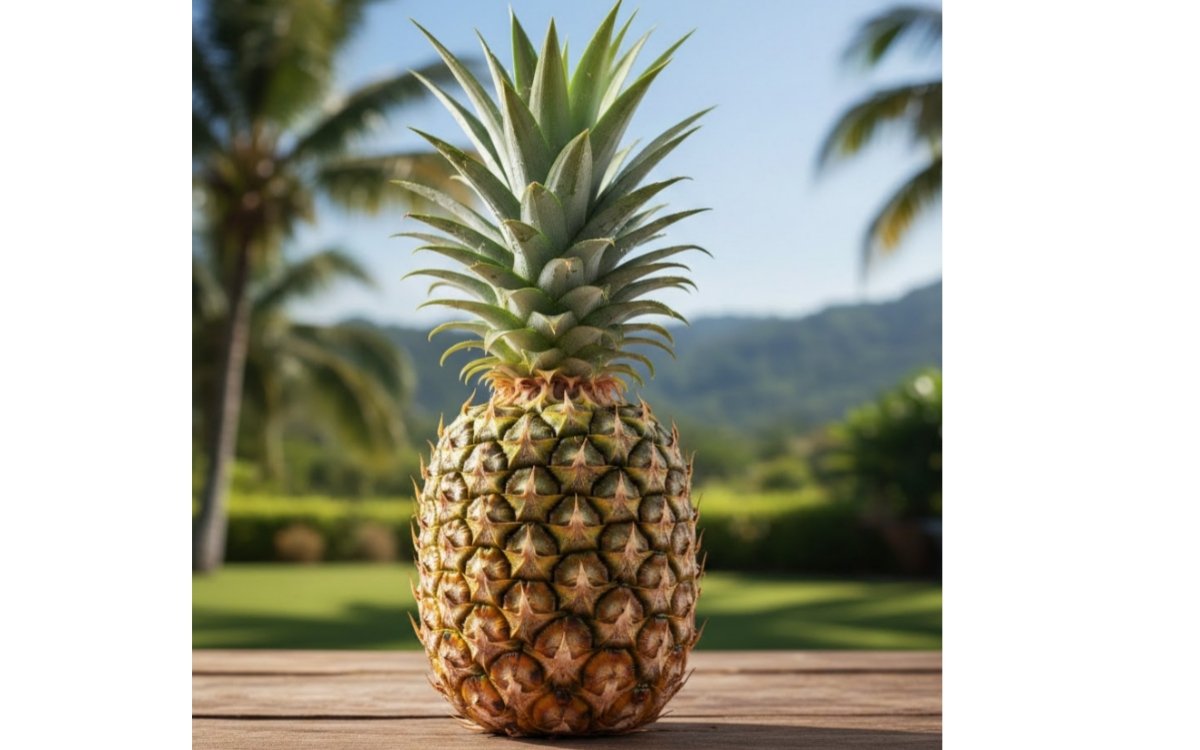
Historically, which Hawaiian island earned the moniker “Pineapple Isle” due to its dominant agricultural output and the operations of a major fruit corporation? Lanai. Name the prominent American agricultural corporation that transformed Lanai into the world’s largest pineapple plantation in the 20th century. Dole Food Company (specifically, James Dole’s Hawaiian Pineapple Company). From a botanical…
Continue Reading Which Island Is Known as the Island of Pineapple?
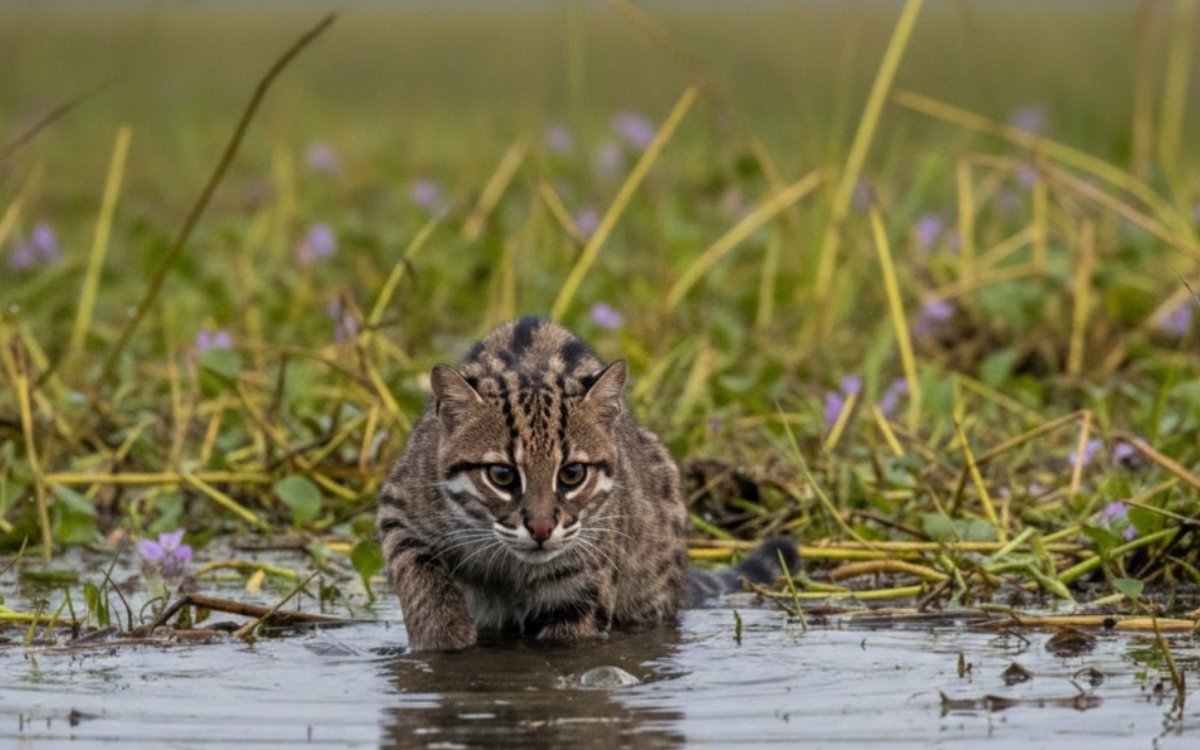
Which national park in India has emerged as a stronghold for the Fishing Cat? Kaziranga National Park and Tiger Reserve What type of habitat does the Fishing Cat primarily inhabit? Wetlands, marshes, and mangroves Kaziranga’s status as a Fishing Cat stronghold highlights its importance for which kind of species? Wetland-dependent species. What is the primary…