
The summit underscored a strategic pivot towards India becoming a global hub for AI innovation and ethical AI development, actively contributing to international AI governance frameworks rather than solely being a consumer or adopter of foreign AI technologies.
The challenge of fragmented data and lack of localized AI solutions for diverse agro-climatic zones was emphasized. A proposed collaborative model involved public-private partnerships to create open data repositories and develop vernacular AI models tailored for small and marginal farmers.
The framework proposed establishing independent audit mechanisms for AI systems in public services, mandating explainability requirements, and promoting diverse datasets to reduce algorithmic bias, alongside fostering public awareness regarding AI’s ethical implications.
Discussions intensified around India’s proposed involvement in a global ‘AI Safety Summit’ initiative and strengthening partnerships with countries like Japan and the US on secure and resilient AI supply chains, fostering a shared understanding of AI governance.
The summit proposed the creation of regional ‘AI Innovation Hubs’ with dedicated seed funding, mentorship programs, and access to GPU infrastructure, specifically targeting startups outside major metropolitan areas to democratize AI entrepreneurship.
It highlighted the need for a national data-sharing framework to enable secure, anonymized access to public sector data for AI development, alongside promoting ‘data trusts’ and synthetic data generation techniques to overcome data scarcity in sensitive domains.
Emphasis was placed on industry-led micro-credentialing programs, AI apprenticeships, and specialized ‘AI Bootcamps’ focusing on practical application and problem-solving, often in partnership with leading tech companies and educational institutions.
The summit stressed the urgent need for developing robust AI-powered language translation and natural language processing (NLP) models for all 22 scheduled Indian languages, ensuring AI’s benefits are accessible to non-English speaking populations and promoting digital inclusion.
Optimistic projections anticipated significant growth in FDI into India’s AI sector, driven by a stable regulatory environment and a large talent pool. Measures included streamlining investment approval processes and offering incentives for R&D in critical AI areas.
The long-term goal was to establish India as the global benchmark for ethical, inclusive, and scalable AI solutions, not just a leader in AI development. Foundational steps included investing in quantum computing for AI, fostering deep tech research, and creating a robust intellectual property regime for AI innovations.
Which Island Is Known as the Island of Pineapple?

If you are dreaming of joining the Indian Civil Services or the Indian Forest Service, the clock is ticking. The Union Public Service Commission (UPSC) is set to close the application window for the Civil Services Examination (CSE) 2026 and the Indian Forest Service (IFS) 2026 today, February 24, 2026, at 6:00 PM. With high…
Continue Reading Last Call for UPSC Aspirants: 2026 Prelims Registration Closes Today!

India has long been celebrated as the “Land of Spices,” and among its many aromatic treasures, Ginger holds a place of pride. Not only is it a staple in every Indian kitchen, but it is also a cornerstone of traditional Ayurvedic medicine. But have you ever wondered where most of this pungent, golden rhizome comes…
Continue Reading The Spice Capital: Exploring India’s Largest Producer of Ginger
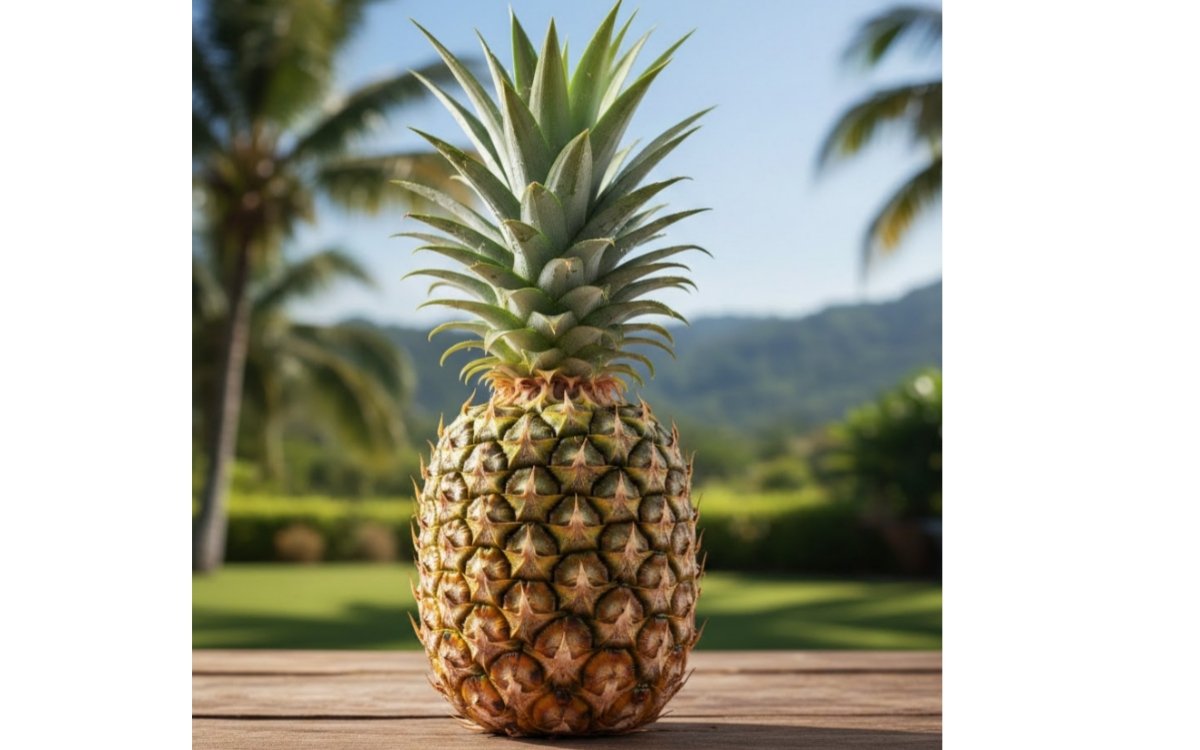
Historically, which Hawaiian island earned the moniker “Pineapple Isle” due to its dominant agricultural output and the operations of a major fruit corporation? Lanai. Name the prominent American agricultural corporation that transformed Lanai into the world’s largest pineapple plantation in the 20th century. Dole Food Company (specifically, James Dole’s Hawaiian Pineapple Company). From a botanical…
Continue Reading Which Island Is Known as the Island of Pineapple?
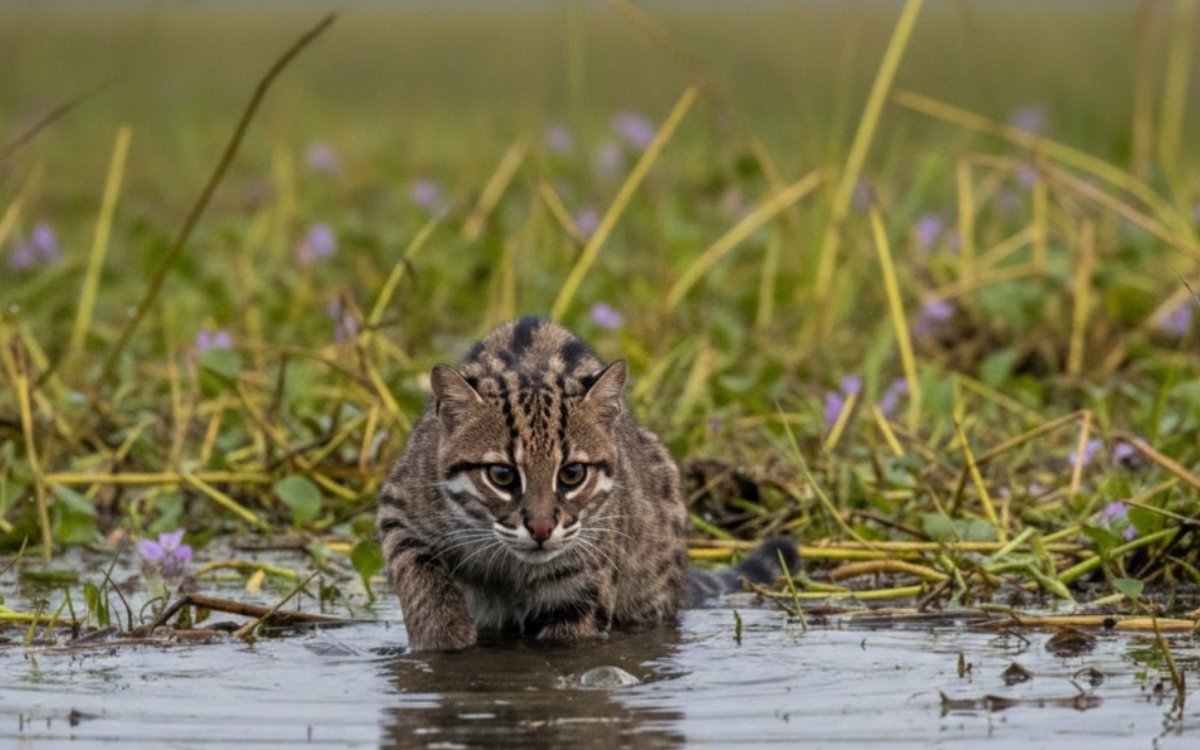
Which national park in India has emerged as a stronghold for the Fishing Cat? Kaziranga National Park and Tiger Reserve What type of habitat does the Fishing Cat primarily inhabit? Wetlands, marshes, and mangroves Kaziranga’s status as a Fishing Cat stronghold highlights its importance for which kind of species? Wetland-dependent species. What is the primary…